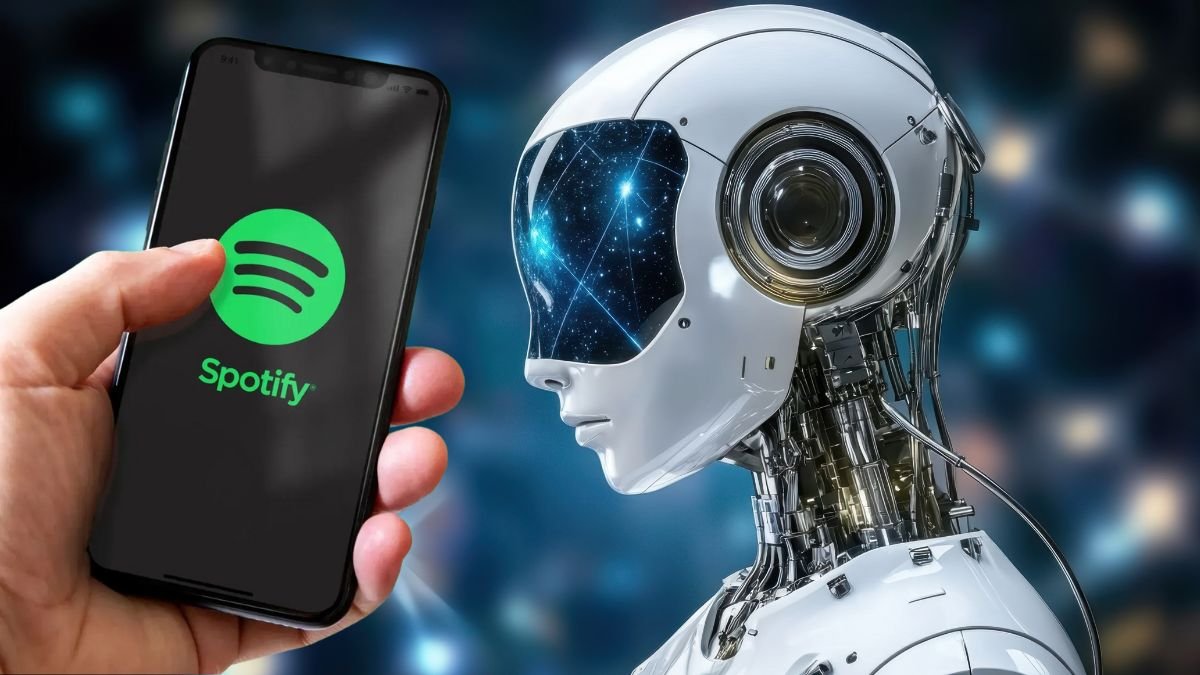
A major announcement recently shook the music world. A leading audio streaming service revealed a series of new collaborations with the biggest names in the business.
This initiative aims to build a new generation of tools. The core goal is to put creators at the center of technological advancement. The focus is on responsible development that respects copyright and artistic choice.
This move directly addresses growing concerns about artificial intelligence. It follows criticism the company faced after AI-generated content gained popularity on its platform. The timing is also significant, coming just after a massive cleanup of spam tracks.
By bringing together major and independent labels, this effort signals a unified industry approach. It represents a commitment to ensuring that innovation creates new opportunities for human artistry. The company is making significant investments to lead this charge.
Industry’s Shift Towards Responsible AI in Music
Leading entertainment companies are forging unprecedented alliances to establish ethical frameworks for technological advancement. This represents a fundamental change in how the music industry approaches artificial intelligence. The collaborative effort brings together streaming platforms, major corporations, and independent representatives.
Major Partnerships and Collaborative Efforts
The three largest music corporations—Sony Music Group, Universal Music Group, and Warner Music Group—have joined forces with the streaming platform. This demonstrates remarkable unity among traditional competitors. Industry leaders recognize the critical need for a coordinated approach to generative technology.
Robert Kyncl of Warner Music Group emphasized collaboration with entities that understand licensing necessities. The framework ensures innovation occurs within the established music industry ecosystem. This prevents external development that might disregard creator protections.
Independent artists and labels receive inclusion through partnerships with organizations like Merlin and Believe. This prevents a scenario where only major corporation artists benefit from technological advances. The comprehensive approach protects the entire creative community.
Emphasis on Copyright and Artist Rights
Copyright protection forms the cornerstone of this collaborative movement. The streaming service explicitly rejected calls to abolish copyright protections. Musicians’ rights matter fundamentally in this new landscape.
Industry executives stress that direct licensing agreements must precede product launches. This rejects the “ask for forgiveness later” mentality seen in some technology sectors. Sir Lucian Grainge of Universal Music Group highlighted years of artist-centric initiatives.
The focus remains on ensuring technology serves creators rather than working against them. New licensing models aim to protect and compensate rights holders appropriately. This creates sustainable frameworks for future music creation and distribution.
The Role of Research and Development in AI Music Products
Behind every technological revolution lies a dedicated research effort, and the current musical landscape is no exception. The streaming platform is making substantial commitments to advance this field responsibly.
Building a State-of-the-Art AI Research Lab
The company established a cutting-edge generative AI research facility. This research lab represents significant investments in future technology.
The lab product team focuses on developing systems that respect artistic choice. Their work combines internal research with external partnerships.
This approach ensures access to the latest innovations while maintaining ethical standards. The research product development follows core principles of creator empowerment.
Innovative Product Team Initiatives
The product team works closely with artists and songwriters. This consultation shapes tools that meet real creative needs.
Development efforts have already begun on initial offerings. More tools will follow in a phased rollout approach.
The team’s capabilities drive continued growth across the entire ecosystem. They recognize that successful implementation requires both technical and musical understanding.
By inviting top talent, the company ensures technological excellence aligns with artistic integrity. This creates an environment where innovation enhances human creativity.
Spotify partners with record labels to create ‘artist-first’ AI music products
Four foundational principles guide the development of emerging technologies in the creative sector. This framework ensures creators remain at the center of innovation.
Developing New Tools and Revenue Streams
The first principle establishes transparent partnerships with distributors and publishers. New products emerge through upfront agreements rather than retroactive permission.
These tools create entirely fresh revenue streams for artists and songwriters. Proper compensation models ensure fair payment for creative work.
The approach rejects the “move fast and break things” mentality. Instead, it builds sustainable growth within the music ecosystem.
Ensuring Artist Choice and Fair Compensation
Choice represents a crucial principle for participation. Rightsholders decide if and how to engage with new technologies.
This respects diverse perspectives among creative professionals. Some may embrace these tools while others prefer traditional methods.
Fair compensation addresses economic concerns about technological advancement. Transparent credit systems protect artists’ rights and contributions.
The framework emphasizes consent, control, and transparency. These values create a sustainable future for the entire creative community.
Conclusion
The music industry stands at a critical crossroads where proactive leadership will determine the future of artistic innovation. This collaborative framework with major entities like Sony Music Group, Universal Music Group, and Warner Music Group represents a watershed moment.
The initiative establishes that responsible development and copyright protection can coexist. By keeping artists at the center, this approach ensures technology enhances rather than replaces human creativity.
This unified industry response sets a new standard for the entire ecosystem. It demonstrates a sustainable way forward where innovation serves creators and respects their rights.
The coming months will reveal how this artist-first model transforms the creative landscape. The industry has chosen to lead from the front, ensuring a balanced future for all stakeholders.