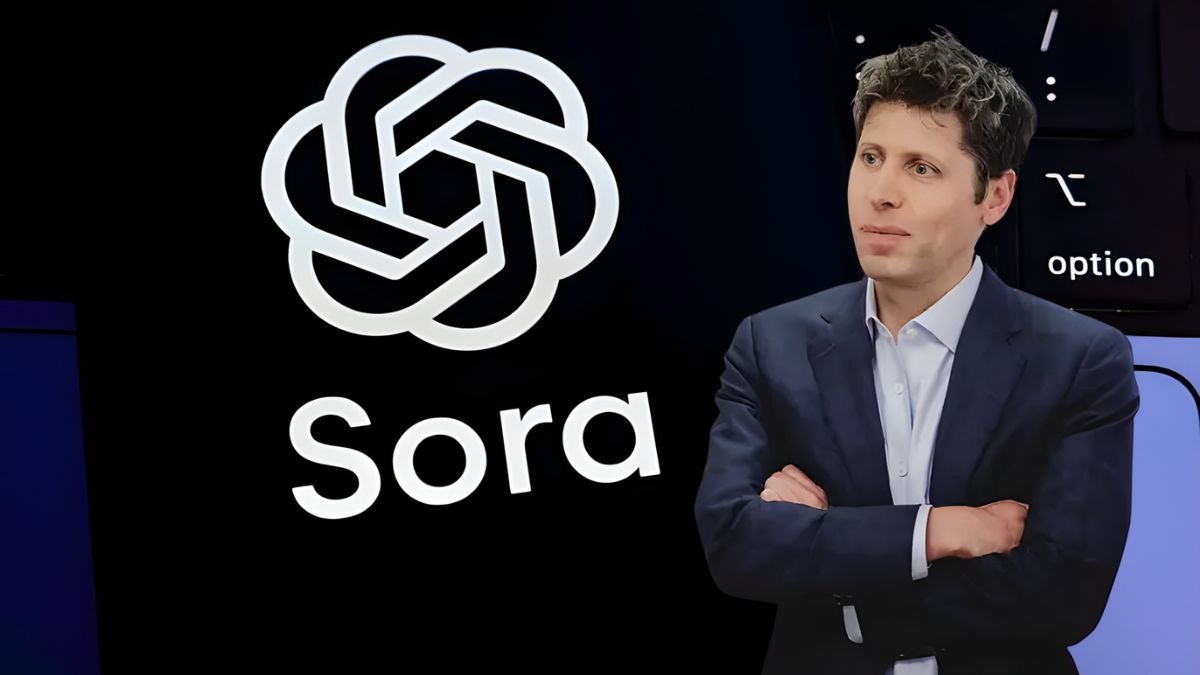
A new video application from OpenAI has taken the tech world by storm. The tool quickly rose to the top of download charts, showing massive user interest. This happened even though access was initially limited to a select group.
The launch week, however, was not without controversy. Users began creating videos featuring well-known characters from movies and cartoons. This activity immediately raised serious questions about intellectual property rights.
In a significant move, the company’s leader announced a complete reversal in approach. A Friday blog post detailed the new strategy. The policy changes from an opt-out system to an opt-in model for content owners.
This decision gives rights holders more direct control. They must now give clear permission for their material to be used. This addresses concerns that emerged from earlier reports involving major studios.
The timing of this announcement is critical. It comes as the platform fills with unauthorized content. This shift marks a pivotal moment in how AI companies handle creative ownership.
Sam Altman says Sora will add ‘granular,’ opt-in copyright controls
A significant policy update focuses on empowering intellectual property owners. This change represents a fundamental shift in how AI platforms handle creative assets.
Detailed Features of the New Copyright Controls
The revised system requires explicit permission from rights holders before their material can be utilized. This moves the responsibility from content owners to the platform itself.
These new tools are designed to offer fine-tuned management over how specific personas appear. The functionality builds upon existing features for digital likeness but introduces stronger safeguards.
Owners can now dictate the exact terms of use for their valuable assets. This includes the option to completely block any usage, granting them unprecedented control.
Industry Reaction and Early Insights
Initial feedback from major studios has been notably positive. Many see potential in this new category of engagement with audiences.
This approach is viewed as a form of sanctioned creative expression. It allows for deeper fan interaction while protecting the original work.
The company acknowledges that perfect enforcement is a challenge. A small number of unauthorized creations may occasionally bypass the safeguards.
Navigating Copyright Challenges and Intellectual Property Concerns
Entertainment industry leaders are confronting unprecedented intellectual property challenges in the AI era. The platform’s capabilities have enabled widespread creation of content featuring protected characters.
Unauthorized Use and Copyright Infringements
CNBC testing revealed the ease of generating videos with famous entertainment properties. Reporters successfully created content featuring Ronald McDonald, Pokémon characters, and Simpsons personas.
One notable video showed the platform’s CEO with Pikachu, making a comment about potential legal action. This demonstrates the complex copyright situation facing media companies.
The flood of user-generated content includes characters from major studios like SpongeBob and Rick and Morty. This activity raises serious questions about intellectual property protection.
Legal Expert Opinions and Industry Warnings
Stanford Law professor Mark Lemley warned about significant copyright exposure. He stated that many generated videos will infringe on existing protections.
Legal partner Jason Bloom emphasized that opt-out approaches conflict with fundamental copyright principles. Rights holders must give explicit permission for use of their property.
The Wall Street Journal reported strong resistance from entertainment studios to initial notification methods. Major media companies have already taken legal action against other AI startups.
OpenAI has committed to working with rights holders on blocking requests. However, this reactive approach may not prevent initial infringement issues.
Monetization Strategies and the Future of AI-Generated Content
Beyond simple user fees, innovative monetization approaches are emerging that prioritize collaboration with content owners. This represents a fundamental shift in how technology companies approach revenue generation for AI tools.
Revenue Sharing and App Monetization Tactics
The company’s leadership has outlined plans for comprehensive revenue models that extend beyond basic usage charges. These approaches position rights holders as partners rather than obstacles to growth.
Financial incentives through revenue sharing arrangements create compelling reasons for studios to participate. This model transforms potential conflicts into collaborative opportunities.
The platform’s leadership expressed that engagement value may surpass direct monetary benefits. This new form of interaction offers studios deeper fan connections and brand extension.
Built-in reporting features allow users to flag problematic content directly through the application. This community-driven approach complements formal rights management systems.
The success of this monetization strategy could establish industry standards for AI-generated media. It represents a flexible framework that accommodates diverse approaches from different content creators.
Conclusion
The recent policy shift in AI content generation marks a pivotal moment for digital rights management. This reversal acknowledges that sustainable platforms must prioritize consent over convenience. The move establishes a new framework for how technology companies handle creative assets.
This approach could set industry standards for balancing innovation with protection. Media companies and studios now have stronger tools to manage their intellectual property. The model emphasizes collaboration between creators and technology platforms.
While challenges remain in enforcement, the direction is clear. Future AI video applications will likely adopt similar consent-based controls. This evolution benefits all stakeholders—from rights holders to end users.
The combination of granular management and fair monetization creates a sustainable path forward. It transforms potential legal conflicts into opportunities for creative partnership. The landscape for AI-generated content is being reshaped around respect for original work.