Pinterest Introduces New Controls to Manage AI Content in Feeds
A popular visual discovery platform has taken a significant step. It is addressing a growing problem that has frustrated its community. The issue involves the flood of artificial intelligence-created imagery.
This type of material, often called “slop” by users, can lack authenticity. It has overwhelmed feeds, making it hard to find genuine inspiration. The company recognized this threat to its core value.
In response, new tools are now available. These user-facing controls empower people to manage their experience. They can reduce the visibility of low-quality, genai content.
The rollout started on the web and Android apps. Support for iOS devices is expected soon. This development has attracted considerable media attention and news coverage.
Many are watching to see if this action can restore trust. The goal is to preserve the platform as a source for real human creativity.
Pinterest adds controls to let you limit the amount of ‘AI slop’ in your feed
The online world is changing fast. Recent academic research reveals a startling statistic. Generative AI tools now create over half of all material on the internet.
This 57% figure highlights a massive shift. It shows the widespread nature of the challenge facing digital spaces.
Understanding the Surge of AI-Generated Content
This flood of synthetic material has changed platform feeds. Many people reported that their experience deteriorated. Genuine creative inspiration became harder to find amidst the algorithmically generated approximations.
The number of complaints from the community grew. They felt the core value of discovering authentic ideas was threatened.
How the New Controls Enhance User Experience
In response, the company developed a solution focused on user agency. The new tools aim to strike a careful balance between technological innovation and human creativity.
These settings allow for nuanced personalization across different content categories. People can shape their feeds based on personal preference. This represents a move away from a one-size-fits-all approach.
This effort to refine the experience is ongoing. The platform has committed to using feedback to improve these controls over time.
Exploring the New AI Content Settings and Tools
Finding these powerful new tools is simple. They reside within the account settings under a specific menu.
This area gives people command over their digital experience. It is designed for easy navigation and quick adjustments.
Navigating the “Refine Your Recommendations” Menu
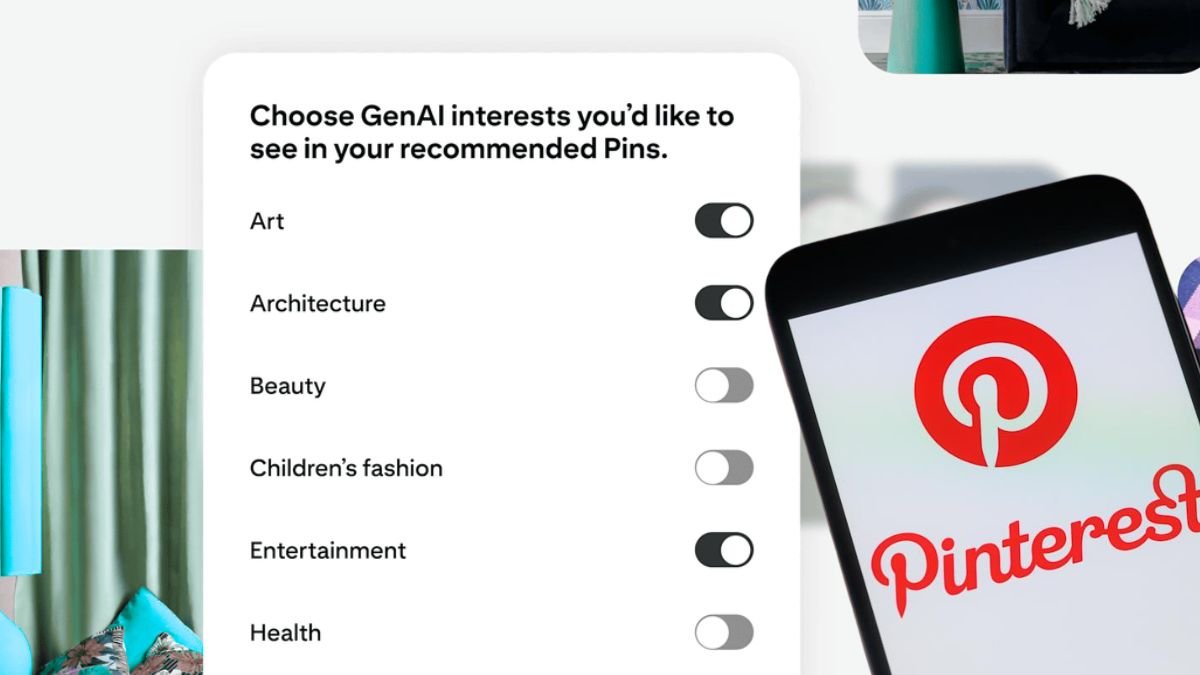
The central hub for these preferences is called “Refine your recommendations.” This menu offers a category-specific approach to filtering.
Users can select distinct categories like beauty, art, fashion, and home décor. They choose to see less computer-generated content in each area.
This system acknowledges that tolerance for synthetic images varies. Someone might enjoy AI art but want real home décor ideas.
Discovering the GenAI Interests Feature
Beyond the main settings, real-time feedback is available. While browsing their feed, users can tap the three-dot menu on any pin.
This action lets them instantly report a preference about the content. It refines their experience without leaving the app.
The company also plans to make its GenAI labels more visible. This provides greater transparency for all users.
These new controls are a flexible system. They represent a significant step in putting users in charge of their visual discovery.
Addressing Community Concerns and Balancing Innovation
The response from the community and the press has been immediate and telling. Major technology news outlets have documented the problem extensively. They question whether the platform can recover from a flood of synthetic material.
This widespread media attention highlights the seriousness of the issue. The platform’s reputation is on the line.
User Feedback and Media Reactions
User feedback has been clear and consistent. Many people expressed strong complaints about the sheer amount of low-quality content in their feeds. They found it harder to discover authentic creativity.
This genuine frustration signaled a fundamental problem. The core experience was being diminished for many users.
Addressing this slop is a growing challenge. As AI technology advances, synthetic image quality improves. Distinguishing it from human-made material becomes harder over time.
There is a notable tension in the tech landscape. Many apps promote their own generative AI tools. Yet, this situation shows that people often prefer real human creativity in their feeds.
The balance between innovation and authenticity is a critical industry-wide question. Getting it right is essential for a platform’s long-term health.
Conclusion
Platform governance enters a new era with user-centric approaches to content management. The challenge of balancing technological advancement with authentic human creativity represents a critical test for digital spaces.
This visual discovery platform’s rollout strategy demonstrates comprehensive thinking. Making these settings available across web, Android, and soon iOS ensures equitable access for all people. The approach prioritizes user agency in shaping their digital experience.
As generative AI evolves, this model may influence other platforms facing similar challenges. The emphasis on transparency and personalized filtering could define industry standards for future content ecosystems.
Ultimately, success hinges on effective implementation and community adoption. However, the commitment to preserving authentic creativity while embracing innovation shows a thoughtful path forward for digital platforms.